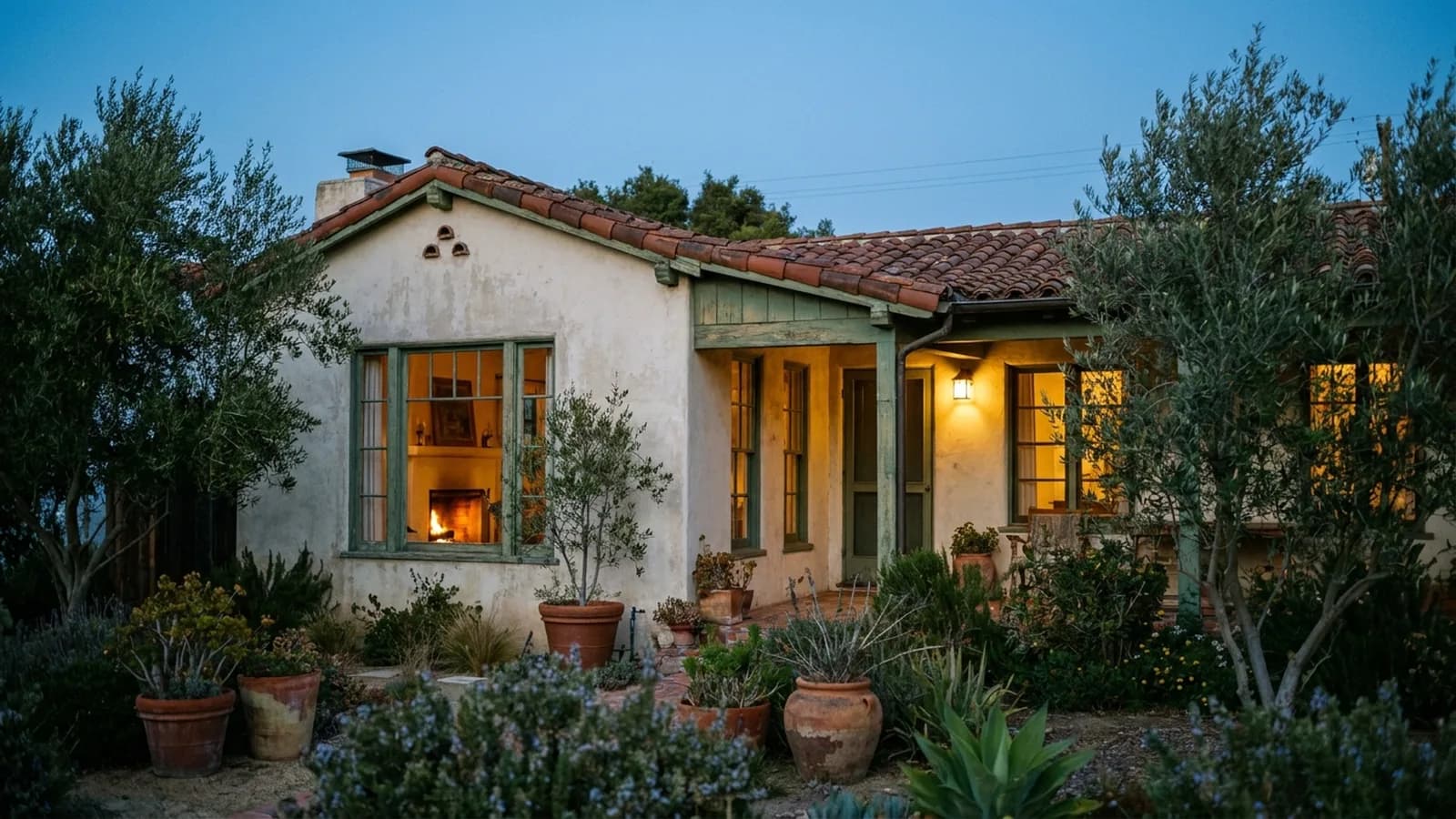
A woman called us last spring about her mother's house in Hayward. Her mom had passed in February, leaving a paid-off home worth around $900,000 and a will that split everything between her three kids. The daughter assumed the will would handle it. Then the attorney explained the estate had to go through probate anyway, taking most of a year and costing tens of thousands.
She was stunned. "She had a will," the daughter kept saying. "Doesn't that count for anything?"
It does. But a will does not avoid probate. It just tells the probate court who gets what. To keep your California home out of that process, you have to set things up before you pass. Here are the five legal ways to do it.
The short version
A will does not avoid probate in California. To skip the court process, ownership of your home has to transfer automatically at death. The five tools that do that are:
- A living trust (the most complete option)
- A transfer-on-death deed
- Joint title (joint tenancy or community property with right of survivorship)
- Beneficiary designations on accounts
- The small estate affidavit (for modest estates, after death)
If a loved one already passed without any of these, probate may be unavoidable. We cover that near the end.
This isn't legal or tax advice. Confirm your own plan with your CPA or an estate attorney.
Why is avoiding probate worth the trouble?
Two reasons: time and money.
A typical California probate takes 9 to 18 months, and complicated estates run longer. The basic path: file the petition with the county Superior Court, wait 4 to 8 weeks for the first hearing, get "letters" naming the executor, sit through a mandatory 4-month creditor claim window, have a court-appointed referee appraise the assets, then file for final distribution and attend a second hearing.
Even a clean estate rarely closes in under eight months. During that time the house sits in limbo, with the executor paying taxes, insurance, and upkeep.
The money side is worse. California sets probate fees by law based on the gross value of the estate, meaning the full home value with no credit for the mortgage. Both the attorney and the executor get the same statutory fee, so it effectively doubles.
Here is the fee schedule under California Probate Code section 10810:
| Portion of the estate | Statutory fee |
|---|---|
| First $100,000 | 4% |
| Next $100,000 | 3% |
| Next $800,000 | 2% |
| Next $9,000,000 | 1% |
A Bay Area dollar example
Say Mom's home is worth $1,200,000 with a $400,000 mortgage. Probate fees are still calculated on the full $1,200,000, not the $800,000 of equity.
- 4% of the first $100,000 = $4,000
- 3% of the next $100,000 = $3,000
- 2% of the next $800,000 = $16,000
- 1% of the next $200,000 = $2,000
- Attorney's statutory fee: $25,000
The executor can claim that same $25,000. That is $50,000 in fees on a single home, before court filing fees, the appraisal charge, and publication costs. On a Bay Area house, the all-in bill often clears $52,000. That is the money the five tools below are designed to save.
1. A living trust
A revocable living trust is the most complete way to avoid probate on a house. You create the trust, then deed your home into it. You stay in full control while alive, free to sell, refinance, or change your mind anytime.
When you pass, the successor trustee you named transfers the home to your heirs with no court involvement. No petition, no hearing, no statutory fees.
A trust also covers more than one property and lets you set conditions, like holding a child's share until they turn 30. For most Bay Area homeowners, it is the option an attorney will steer you toward first.
The catch: you have to record a new deed moving the house into the trust. Plenty of people pay for a trust, forget this step, and the home goes through probate anyway.
2. A transfer-on-death deed
A transfer-on-death deed (also called a TOD deed) is the budget version. You record a simple deed naming who gets the house when you die. You keep full ownership and can revoke it anytime.
It is cheaper and simpler than a trust, and it works well for a single home going to one or two clear heirs. It does have limits, including a creditor-claim window after death and rules about how heirs sell later. For complex estates, multiple properties, or blended families, a trust is usually the better tool.
3. Joint title with right of survivorship
If you own your home with another person, how you hold title matters. Joint tenancy and community property with right of survivorship both pass the home automatically to the surviving owner. No probate.
This is why a house owned by a married couple usually skips probate when the first spouse dies. The survivor already owns it.
Two things to watch. It only delays the question, because the home still needs a plan for when the last owner dies. And adding an adult child to title to "avoid probate" can trigger a property tax reassessment and a gift-tax issue. Talk to a professional before adding anyone to your deed.
4. Beneficiary designations
This one is for your accounts, not the house, but it matters because these assets can otherwise drag an estate into probate on their own.
Retirement accounts, life insurance, and many bank and brokerage accounts let you name a beneficiary, sometimes called payable-on-death. Those funds go straight to that person and skip probate entirely. It costs nothing and takes ten minutes. The mistake we see most is an outdated beneficiary, like an ex-spouse still listed years after a divorce. Review yours once a year.
5. The small estate affidavit
The first four tools are set up ahead of time. The small estate affidavit is different. It is a tool the heirs use after someone passes, when there was no trust or deed in place.
If the total estate is worth $184,500 or less (the current California figure, which adjusts periodically), heirs can often collect the assets with a sworn affidavit and a 40-day wait. No full probate.
The big caveat: a Bay Area house almost always pushes an estate over that limit by itself. So this route usually works for accounts and personal property, not a home worth seven figures. It is still worth knowing, because it can clear smaller assets quickly.
Does a will avoid probate? (the living trust vs will question)
No. This is the most common mix-up we hear, so it is worth saying plainly. A will does not avoid probate.
In the living trust vs will comparison for California, a will only tells the probate court how to divide things, and the estate still goes through the full process. A trust transfers the home outside of court. If avoiding probate is your goal, you want the trust, the deed, or joint title, not just a will.
What if the house is already in probate?
Here is the honest part. If a parent or spouse already passed and none of this was set up, probate may simply be unavoidable. None of these tools can be added after the fact to skip it.
The good news is that you do not have to wait until probate closes to sell the home. A house can be sold during probate, with the court's approval, and the proceeds become part of the estate. Many families do this to stop the monthly carrying costs.
We buy homes in probate across the Bay Area, and we have closed in 3 to 7 days once the court signs off. We have done this since 2009 and bought more than 2,000 homes, many of them inherited. If you are in this spot, you are not stuck.
What to do now
If you are planning ahead, talk to an estate attorney about a living trust or a TOD deed, and check your beneficiary designations this week. A few hundred dollars now can save your kids $50,000 and a year of court later.
If you have already inherited a home that is heading into or stuck in probate, you have two honest paths:
- List it traditionally once you can sell. If the home is clean, market-ready, and you can wait out the timeline, a traditional sale usually nets the most.
- Get a cash offer from us. If you want speed, certainty, or the house needs work, we will give you a fair number, cover all closing costs, and close on your timeline.
Call or text us at 415-800-1415, or fill out the short form below. We will talk through your situation in plain English. No pressure, ever.
Frequently asked questions
What's the easiest way to avoid probate in California?
For a single home with clear heirs, a transfer-on-death deed is the simplest and cheapest. For most homeowners with significant equity or more than one property, a living trust is the more complete choice.
How much does probate cost in California?
Statutory fees alone run about $50,000 on a $1.2 million home, because both the attorney and the executor are paid by a formula based on the home's gross value. Court and appraisal costs add more on top.
Does a will avoid probate?
No. A will only tells the probate court how to distribute your estate. The estate still goes through the full court process. To avoid probate, use a living trust, a TOD deed, or joint title.
Can you sell a house that's in probate?
Yes. With the court's approval, a home can be sold during probate, and the money goes into the estate. This is a common way to stop monthly costs while the case is open.
If you want to dig into the specific tools, here is where to go next. For modest estates, see how the small estate affidavit in California works, and for a single home, read our guide to the transfer-on-death deed in California. If a home is already in court, learn about selling a house in probate in the Bay Area, or get a no-obligation cash offer in 24 hours.
About Roe
Roe is part of the Maple Home Buyers team. Roe leads the Maple Home Buyers team in the Bay Area. Family-owned, BBB accredited, 2,000+ homes purchased since 2009.
Learn more about our team →Thinking about selling? Get a free, no-obligation offer.
A real local person picks up. No high-pressure pitch, no credit check, no obligation.